It is important that when a child is learning to understand and use language, we make it as easy as possible for them to do this.
Often, when a child is late in learning to talk or is having difficulty follow instructions, they just need a bit of extra help. This is where we can use objects, visuals, and gestures to help them learn new words and follow instructions better.
To assist your child to learn the language, try using the following strategies to help them:
Real objects 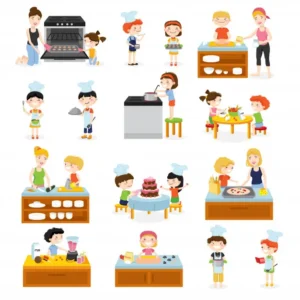
A child will often understand real items before they understand pictures or words. For example, they may understand that when they see a spoon it is time to eat before they recognise a picture of food or understand the phrase “dinner time!”. Pairing real items such as cutlery, towels, clothes, and toys with words such as dinner, bath, dress or play will help a child understand what is about to happen and assist them to learn the meaning of new words.
Visuals 
Visuals are great in helping children understand and follow longer instructions. It is often difficult for kids to remember the order of instructions, and showing them pictures of the items, they need, or the order of a task will help them understand and remember the instruction more effectively. This is the best way to help children go from understanding one-step instructions (e.g. get your hat) to two-step instructions (e.g. get your hat and go to the front door).
Short sentences
The best way to help your child understand what you are saying to them and help them learn new language is by making sure your sentences are a suitable length. A good rule for this, is to make sure you are only using one more word than they are using in sentences. For example, if your child is only saying one word at a time (e.g. ball), you should communicate to them using two-word sentences (e.g. ball go). By doing this, they will have a better chance of understanding what is said to them and this also gives them a sentence they may be able to copy.
Gestures and signs 
When sentences or instructions start to get longer, children with language delays can have difficulty understanding the meaning of the whole sentence. Important words can get lost or forgotten. As you start to use longer sentences or instructions with your child, highlighting keywords will help them understand the meaning of the sentence and remember the important parts. You can do this by pointing to an object or location you want the child to remember or using key words signs for words such as eat, finished, more etc.