

when we talk about communication difficulties, we aren’t just referring to verbal language, or helping a child to talk.
Celebrating 25 years supporting children and adults! – call us on 1300 856 617

when we talk about communication difficulties, we aren’t just referring to verbal language, or helping a child to talk.
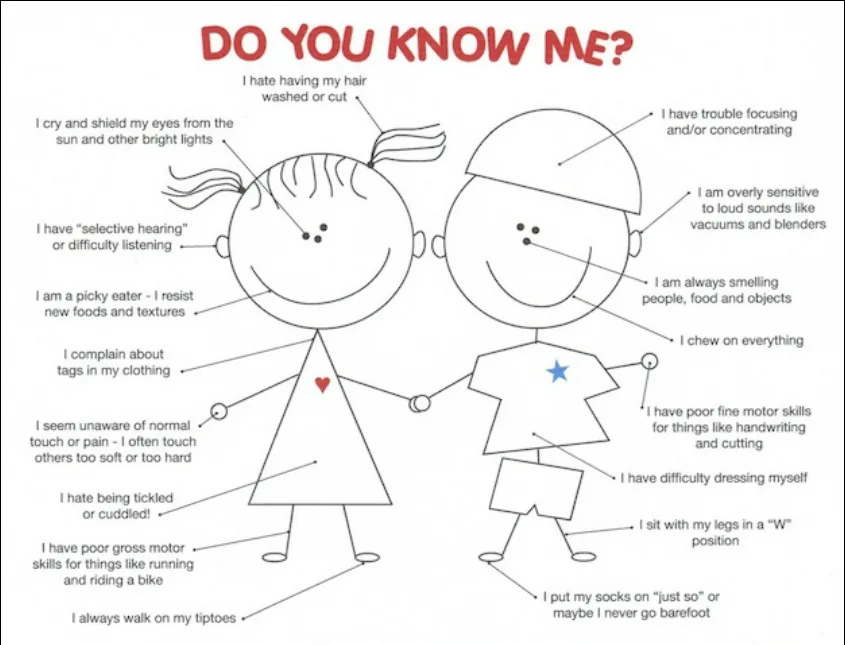
I get asked a lot about sensory processing disorder or sensory sensitivities by parents wondering why their child is over sensitive to noise, or won’t eat crunchy foods and many other presentations of sensory problems. First of all many parents have trouble getting a diagnosis of sensory processing problems and they want to know why….
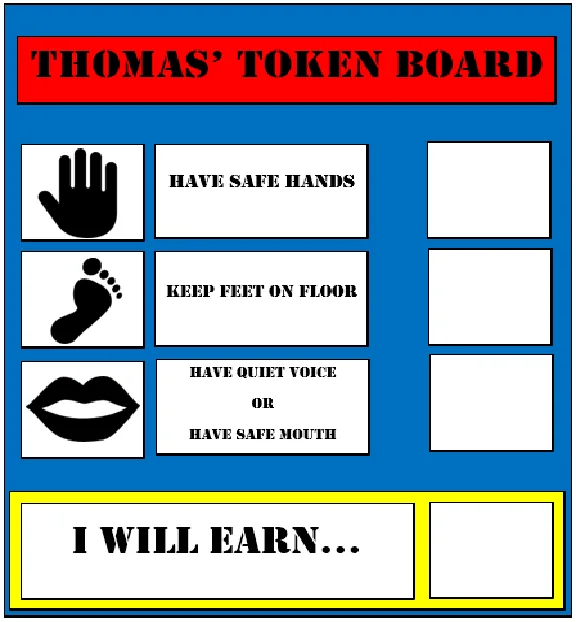
Token economy systems (e.g. sticker/reward charts, points systems) are extremely effective tools and behaviour strategy for both parents and teachers in order to provide positive reinforcement, teach appropriate behaviour and minimise challenging behaviour. They allow caregivers to reward target (appropriate) behaviours and allow children to visually see the goal or ‘prize’ that they are working…
Why is PLAYTIME so important for my child with autism’s communication skills? The Link Between Play and Learning PLAY is more than just fun and games for infants and children. Communication begins before we even learn to talk. In the first few months of life, babies learn to communicate by listening to voices and sounds,…
Meltdowns are a common problem that parents struggle with. Looking at meltdowns through a sensory lens can help make S.E.N.S.E. of your child’s meltdown.
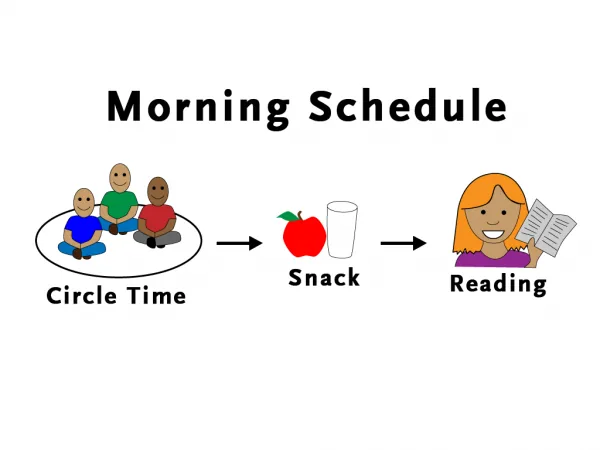
Routines are an integral component to preparing for and attending school. Routines enable children to anticipate what happens next and gives them a great deal of control over what they do during each part of the day.
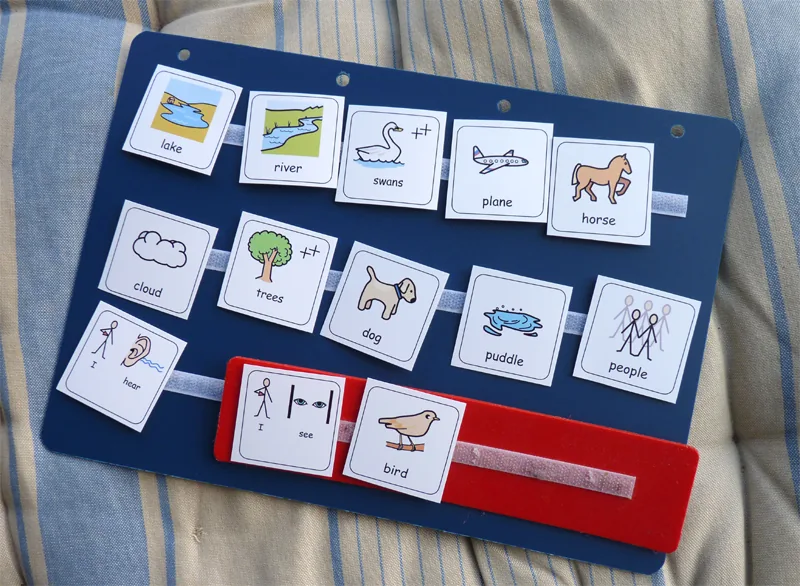
PECS is an efficient mode of communication for children who are non-verbal and children who “speak” but have difficulties being understood by others. In this way, a child’s pictures act as their “words” while speech and language skills are still developing, which in turn is likely to reduce frustration and behaviours associated with communication breakdowns.
High Functioning Autism or Aspergers Syndrome is the term used to describe individuals on the autism spectrum who have a normal or higher intelligence and a strong language ability, but have the core features of Autism Spectrum Disorder.
Parents frequently ask “What are the symptoms of Autism Spectrum Disorder?” and unfortunately we can’t always give a straight answer. Autism isn’t like most diagnoses where your child will display symptoms x, y and z and you know that’s what it is. Autism has a range of symptoms that fit into two categories and the presentations between children may vary significantly. Read on to find out about some of the early signs of Autism Spectrum Disorder.
Autism Spectrum Disorder is classified as a pervasive neurodevelopmental disorder. What this means is it is lifelong and relates to the development of the brain. Autism Spectrum Disorder is characterised by difficulties with social communication and interaction, and ritualised patterns of behaviours. Symptoms often present in early childhood, but the average age of diagnosis is 5.49 years.