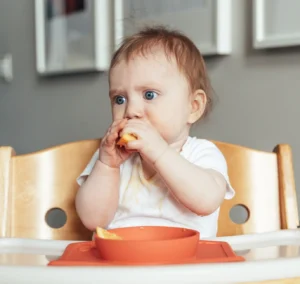
Transitioning to solid foods is a big and exciting milestone for babies and parents and most times it goes very smoothly. However, at times this may be difficult due to many underlying reasons and especially if the child has sensory issues. The challenges of being unable to transition to solids can mean increased anxiety for the child and family during mealtimes, risk of lack of nutrition, and quality of life. In such cases, specialist intervention such as Occupational Therapy support and Speech Therapy support may be required. Please contact your local paediatrician to decide what the next best step would be if you are concerned about your child’s feeding skills.
Why transition to solids?
The recommended age to start transitioning your baby from breast milk/ formula is 6 months. As a baby grows older, the iron needed to supplement their growth is not provided by breast milk formula alone. Solid foods help supplement iron deficiency.
How do I know if the child is ready for solids?
- Are they sitting up by themselves?
- Is the child thrusting his/her tongue out during mealtimes?
- Does the child have good control of his/her neck and head?
- Are they looking at others’ plates and showing interest in other food items?
- Are they slowly starting too much, especially on thicker liquids?
- Opens their mouth expectantly when a spoon is provided.
Where to start?
When your baby is ready to try solid foods, soft pureed food items will be a good place to start. Once your child is tolerating purred items well, it will be a good time to slowly start introducing lumps in their food to get them accustomed to chewing. Over time, the introduction of transitional food items such as bite dissolvable chips is recommended, followed by the introduction of solid food items.
Here are some tips to help your child to transition to solid foods:
1.Step One
Play with the food – It is important that your child finds the food to be non-threatening, allow the child to engage in messy play with the food! Encourage the child to get food on his/her hands and face.
2. Step two – Taste
Introduce the pureed food slowly into the child’s mouth- when the child appears to be ready to taste the pureed food. Take this slow, be patient, and allow your child to explore the feel of food in their mouth.
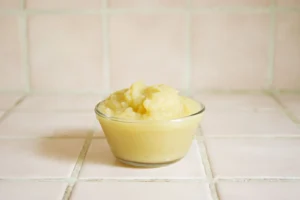 3. Step three- Mashed and then Lumps
Slowly introduce mash /lumps into your puree once your child is comfortable with pureed foods. This phase can be tricky, with children with sensory difficulties often find it difficult to manage both the liquid-like consistency of the puree and solid-like consistency of the lumps. This will be a good time to go back to playing with the puree with Lumps and desensitizing your child before reintroducing the puree with lumps.
4. Transitional Food
Once your child has developed the ability to munch and tolerate puree with lumps, it is a good time to introduce bite- dissolvable food. These groups of food are finger food that is of one consistency, to begin with, and slowly change consistency within the mouth. For example, Crackers chips, etc. are a good place to start.
5. Soft foods
Soft foods such as well-cooked potatoes can be introduced at this stage.
6. Table food
By the age of 2, it is expected that the child would have fully transitioned to tolerating table food.
Additional information: https://www1.health.gov.au/internet/publications/publishing.nsf/Content/gug-director-toc~gug-solids